Paint Protection Film (PPF) has become one of the most popular automotive protection solutions in the UAE. With extreme sunlight, high temperatures, road debris, sandstorms, and daily driving conditions, car owners are constantly looking for ways to preserve their vehicle’s appearance and maintain resale value. One of the most common questions drivers ask before installing Paint Protection Film is: “How long does PPF last?”\n\nThe answer depends on several factors, including film quality, installation standards, weather conditions, and maintenance habits. In this guide, we will explain the average lifespan of PPF, what affects its durability, and how UAE drivers can maximize the life of their paint protection film.
What Is Paint Protection Film (PPF)?
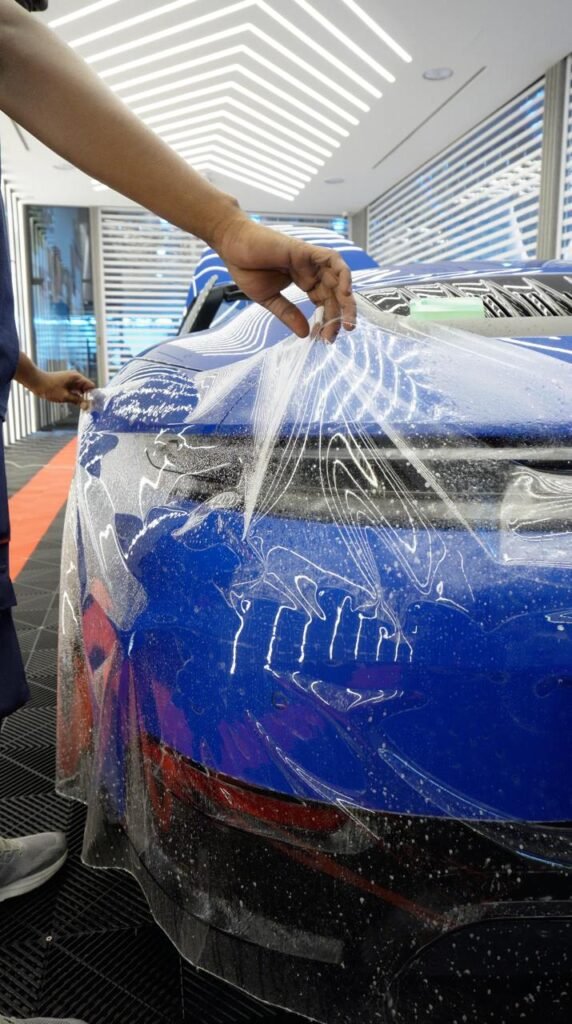
Paint Protection Film, commonly known as PPF, is a transparent polyurethane film applied to a vehicle’s painted surfaces. It acts as a protective barrier against:
- Stone chips
- Sand abrasion
- Minor scratches
- UV rays
- Bird droppings
- Chemical stains
- Road debris
- Oxidation
Modern PPF technology is highly advanced and often includes self-healing properties that allow light scratches to disappear with heat exposure.
Average Lifespan of PPF
In general, high-quality Paint Protection Film lasts between 5 to 10 years. Premium brands installed by professional technicians can sometimes last even longer under proper maintenance conditions.
However, the actual lifespan depends heavily on:
- UAE weather exposure
- Film quality
- Installation quality
- Driving habits
- Maintenance routine
- Parking conditions
How UAE Climate Affects PPF Lifespan
The UAE climate is one of the harshest environments for automotive surfaces. Intense sunlight and heat can accelerate wear if the film is low quality or poorly maintained.
Extreme UV Exposure
Constant exposure to strong UV rays can weaken lower-grade films over time. Cheap films may:
- Turn yellow
- Lose clarity
- Become brittle
- Develop cracks
Premium PPF products are designed with UV-resistant technology to withstand harsh climates like Dubai and Abu Dhabi.
High Temperatures
Vehicle surfaces in the UAE can reach extremely high temperatures during summer. Continuous heat exposure affects adhesive strength and film flexibility.
High-quality films are engineered to tolerate heat expansion without peeling or bubbling.
Sand and Dust
Frequent sandstorms and airborne dust create constant friction on vehicle surfaces. PPF helps absorb this abrasion and protects the original paint underneath.
Without PPF, repeated sand exposure can create permanent swirl marks and paint damage.
Factors That Determine How Long PPF Lasts
1. Film Quality
Not all Paint Protection Films are the same. Premium brands offer better durability, optical clarity, and UV resistance.
High-end films usually include:
- Self-healing technology
- Hydrophobic coating
- UV protection
- Anti-yellowing properties
- Strong adhesive systems
Lower-quality films may fail much earlier, especially in hot climates.
2. Professional Installation
Even the best PPF can fail if installed incorrectly.
Poor installation may cause:
- Air bubbles
- Edge lifting
- Peeling
- Dust contamination
- Premature wear
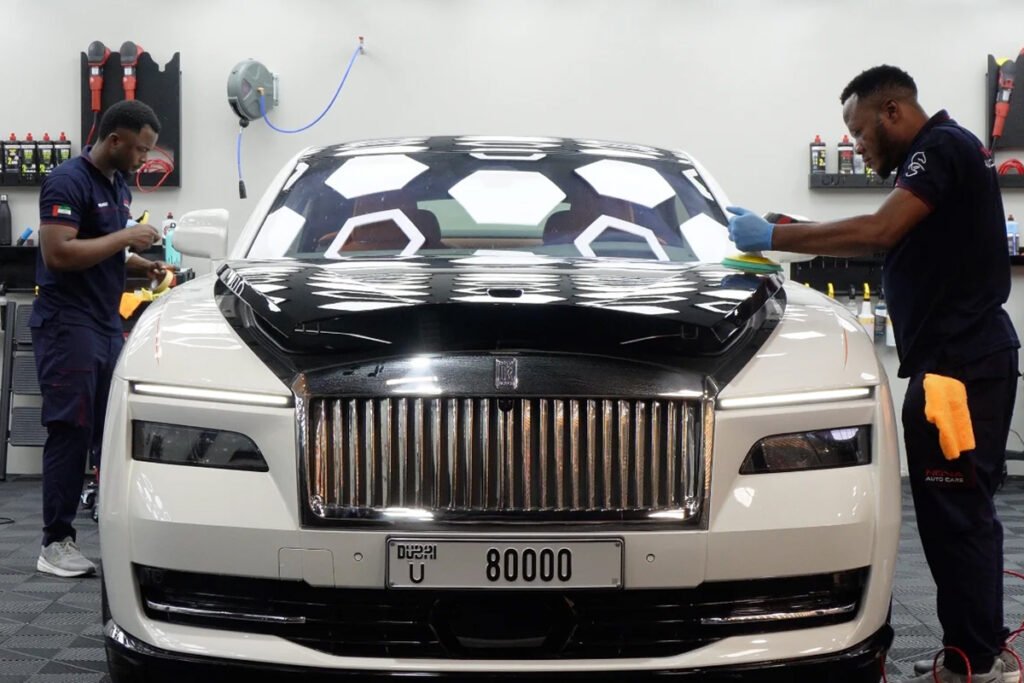
Professional installers use controlled environments, precision cutting systems, and proper surface preparation to ensure long-lasting results.
3. Maintenance Habits
Proper maintenance plays a major role in extending the life of Paint Protection Film.
Recommended care includes:
- Hand washing with pH-neutral shampoo
- Avoiding harsh chemicals
- Using microfiber towels
- Regular cleaning of contaminants
- Applying maintenance sprays when needed
Neglecting maintenance can shorten the lifespan of the film.
4. Parking Conditions
Cars parked outdoors daily under direct sunlight typically experience faster film aging compared to vehicles stored in covered parking.
Indoor or shaded parking helps reduce:
- UV exposure
- Heat stress
- Oxidation
- Surface contamination
Signs Your PPF Needs Replacement
Even high-quality films eventually wear out. Here are some common signs that indicate your Paint Protection Film may need replacement:
Yellowing
Discoloration is one of the most noticeable signs of aging, especially on white vehicles.
Peeling Edges
Over time, edges may begin lifting due to environmental exposure or improper installation.
Cracking
Old or low-quality films can become brittle and develop visible cracks.
Loss of Gloss
A worn-out film may appear dull or cloudy instead of glossy and transparent.
Deep Surface Damage
Excessive scratches, impact marks, or contamination can reduce the film’s effectiveness.
Can PPF Be Removed Safely?
Yes. Professional-grade Paint Protection Film can usually be removed safely without damaging the original factory paint.
However, removal should always be performed by experienced technicians because improper removal techniques may:
- Leave adhesive residue
- Damage repainted surfaces
- Pull weak paint layers
Professional removal ensures clean and safe results.
Does Ceramic Coating Extend PPF Life?
Yes, ceramic coating can help extend the life of Paint Protection Film.
Applying ceramic coating over PPF provides additional benefits such as:
- Easier cleaning
- Increased hydrophobic performance
- Better stain resistance
- Enhanced gloss
- Reduced contamination buildup
Many UAE car owners combine PPF and ceramic coating for maximum long-term protection.
Which Areas Need PPF the Most?
Some parts of the vehicle experience more damage than others.
The most commonly protected areas include:
- Front bumper
- Hood
- Side mirrors
- Fenders
- Headlights
- Door edges
- Rocker panels
Full-body PPF provides the highest level of protection, especially for luxury and high-performance vehicles.
Is PPF Worth It in the UAE?
For many drivers in the UAE, the answer is yes.
PPF offers several long-term advantages:
- Protects factory paint
- Preserves resale value
- Reduces paint correction costs
- Minimizes scratches and chips
- Improves long-term appearance
Luxury vehicle owners and car enthusiasts especially benefit from professional paint protection due to the harsh local climate.
How to Make PPF Last Longer
To maximize the lifespan of your Paint Protection Film, follow these tips:
Wash Regularly
Frequent washing removes sand, dust, bird droppings, and contaminants that can damage the film.
Avoid Automatic Brush Washes
Brushes may create scratches and damage the film surface.
Park in Shade
Covered parking significantly reduces UV and heat exposure.
Schedule Regular Inspections
Professional inspections help detect lifting edges or contamination early.
Use Professional Detailing Services
Proper detailing keeps the film clean, glossy, and protected.
Final Thoughts
So, how long does PPF last? In most cases, a professionally installed high-quality Paint Protection Film can last between 5 and 10 years, even under demanding UAE conditions.
However, the lifespan depends greatly on film quality, installation expertise, maintenance, and environmental exposure. Investing in premium PPF and proper aftercare can significantly extend the protection and appearance of your vehicle.
For UAE drivers who want to preserve their car’s paint against heat, sand, UV rays, and daily road damage, PPF remains one of the smartest long-term automotive protection solutions available today.
Frequently Asked Questions
1. How many years does PPF usually last?
High-quality Paint Protection Film typically lasts between 5 to 10 years depending on the film brand, installation quality, weather exposure, and maintenance routine.
2. Does UAE heat reduce the lifespan of PPF?
Extreme UAE temperatures and strong UV exposure can affect low-quality films faster. However, premium PPF products are specifically designed to handle harsh climates and maintain durability for many years.
3. Can PPF be replaced after it wears out?
Yes, old or damaged PPF can be professionally removed and replaced without harming the original factory paint when done by experienced installers.