Paint Protection Film (PPF) has become one of the most popular solutions for preserving a car’s exterior. Whether you own a luxury vehicle, a brand-new car, or simply want to maintain your vehicle’s resale value, PPF is often considered a smart investment. But what exactly is it, and is it truly worth the cost?
What Is PPF?
Paint Protection Film, commonly known as PPF or “clear bra,” is a transparent, durable thermoplastic urethane film applied to a vehicle’s painted surfaces. Its primary purpose is to protect the car’s paint from damage caused by external elements such as:
- Stone chips
- Scratches and swirl marks
- Road debris
- Bird droppings and bug splatter
- UV rays and oxidation
PPF is virtually invisible once applied correctly, allowing your car to maintain its original appearance while adding an extra layer of protection.
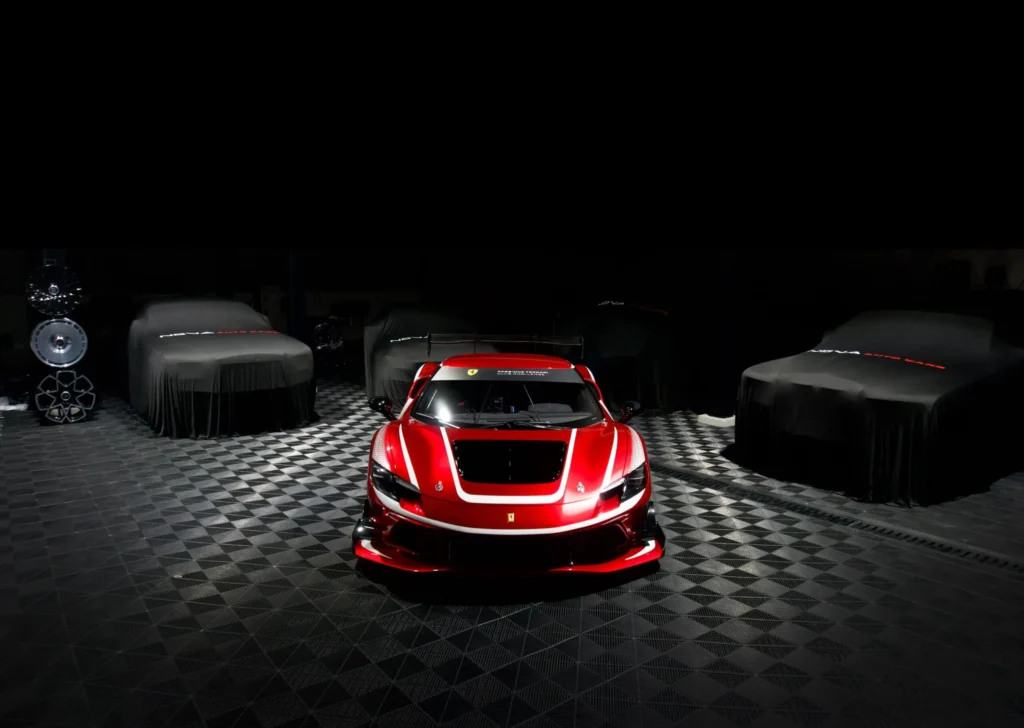
How Does PPF Work?
PPF acts as a sacrificial layer that absorbs impacts and prevents damage from reaching the actual paint. High-quality films are designed with multiple layers, including:
- A clear coat layer that resists stains and discoloration
- A polyurethane layer that absorbs impacts
- An adhesive layer that bonds safely to the paint
One of the most advanced features of modern PPF is self-healing technology. Minor scratches and swirl marks can disappear when exposed to heat, such as sunlight or warm water.
Benefits of Installing PPF
1. Protection Against Physical Damage
PPF is highly effective at preventing chips and scratches caused by daily driving. This is especially important for high-impact areas like the front bumper, hood, mirrors, and fenders.
2. Preserves Resale Value
A well-maintained exterior significantly increases a vehicle’s resale value. PPF helps keep the paint in near-perfect condition, making your car more attractive to buyers.
3. UV and Chemical Resistance
PPF protects against UV rays that can fade paint over time. It also resists damage from contaminants like bird droppings, tree sap, and road salt.
4. Self-Healing Properties
Premium PPF can repair minor scratches automatically, keeping your car looking fresh without additional polishing.
5. Invisible Protection
Unlike traditional protective methods, PPF is nearly invisible and does not alter the color or finish of your vehicle.
Is PPF Worth the Cost?
The cost of PPF can vary depending on the quality of the film, the coverage area, and the installer’s expertise. While it may seem expensive upfront, it can save money in the long run by reducing the need for repainting or paint correction.
PPF is particularly worth it if:
- You own a luxury or high-end vehicle
- You frequently drive on highways or rough roads
- You want to keep your car in pristine condition
For budget-conscious car owners, partial coverage (such as the front end only) can be a cost-effective option.
PPF vs Ceramic Coating: What’s the Difference?
Many car owners confuse PPF with ceramic coating, but they serve different purposes:
- PPF: Provides physical protection against chips and scratches
- Ceramic Coating: Enhances shine and offers hydrophobic properties
For maximum protection, many experts recommend combining both—PPF for impact resistance and ceramic coating for ease of maintenance and gloss.
How Long Does PPF Last?
High-quality PPF typically lasts between 5 to 10 years, depending on factors such as:
- Environmental conditions
- Driving habits
- Maintenance routine
- Quality of installation
Proper care can significantly extend the lifespan of the film.
How to Maintain a Car with PPF
Maintaining a PPF-covered car is relatively simple:
- Wait at least 48 hours before washing after installation
- Use pH-neutral car shampoos
- Avoid abrasive brushes or harsh chemicals
- Hand wash whenever possible
- Dry with microfiber towels
Regular cleaning helps preserve the film’s clarity and performance.
Common Mistakes to Avoid
- Choosing low-quality PPF to save money
- Hiring inexperienced installers
- Neglecting proper maintenance
- Expecting PPF to protect against major impacts
Investing in a reputable installer and high-quality film is essential for the best results.
Frequently Asked Questions
1. Does PPF turn yellow over time?
High-quality modern PPF is designed to resist yellowing. Older or low-quality films may discolor, especially when exposed to UV rays.
2. Can PPF be removed?
Yes, PPF can be safely removed without damaging the original paint, as long as it was properly installed.
3. Is PPF visible on the car?
PPF is כמעט invisible when professionally installed. However, edges may be slightly noticeable upon close inspection.
4. Can I wash my car after installing PPF?
Yes, but you should wait at least 48 hours after installation before washing your car.
5. Does PPF protect against all scratches?
PPF protects against minor scratches and chips, but it cannot prevent damage from severe impacts.
6. Can PPF be repaired if damaged?
In most cases, damaged sections of PPF can be replaced without redoing the entire vehicle.
7. Is PPF suitable for all cars?
Yes, PPF can be applied to almost any vehicle, regardless of make or model.