Choosing Paint Protection Film (PPF) for your vehicle is a smart investment, but the quality of the result depends heavily on who installs it. Even the most premium film on the market can fail, peel, or look unattractive if installed incorrectly. On the other hand, a skilled professional installer can make mid-range film look flawless and last for years.
That’s why selecting the right installer is just as important as choosing the right film brand. In this complete guide, you’ll learn how to recognize a true professional PPF installer, what red flags to avoid, and what questions you should always ask before trusting someone with your car.
Why Installer Skill Matters More Than Film Brand
Many customers focus entirely on film brands and forget that installation quality determines:
- Appearance
- Durability
- Adhesion strength
- Edge finish
- Warranty validity
PPF installation is a precision craft, not just a service. It requires experience, proper tools, controlled environments, and technical understanding of paint surfaces. A poorly trained installer can stretch film incorrectly, trap dust, or misalign panels — mistakes that cannot be hidden once the film cures.
In short: a professional installer protects your investment; an amateur risks it.
Signs of a Professional PPF Installer
Below are the most reliable indicators that you’re dealing with a qualified expert rather than a beginner.
1. Certified Training or Accreditation
Top installers often complete training programs provided by film manufacturers or detailing academies. Certification shows that the installer:
- Understands correct installation methods
- Knows how to handle complex curves and edges
- Follows industry standards
- Is authorized to offer warranties
Always ask:
“Are you certified by any PPF manufacturer or training program?”
If they hesitate or can’t prove it, that’s a warning sign.
2. Clean, Controlled Installation Environment
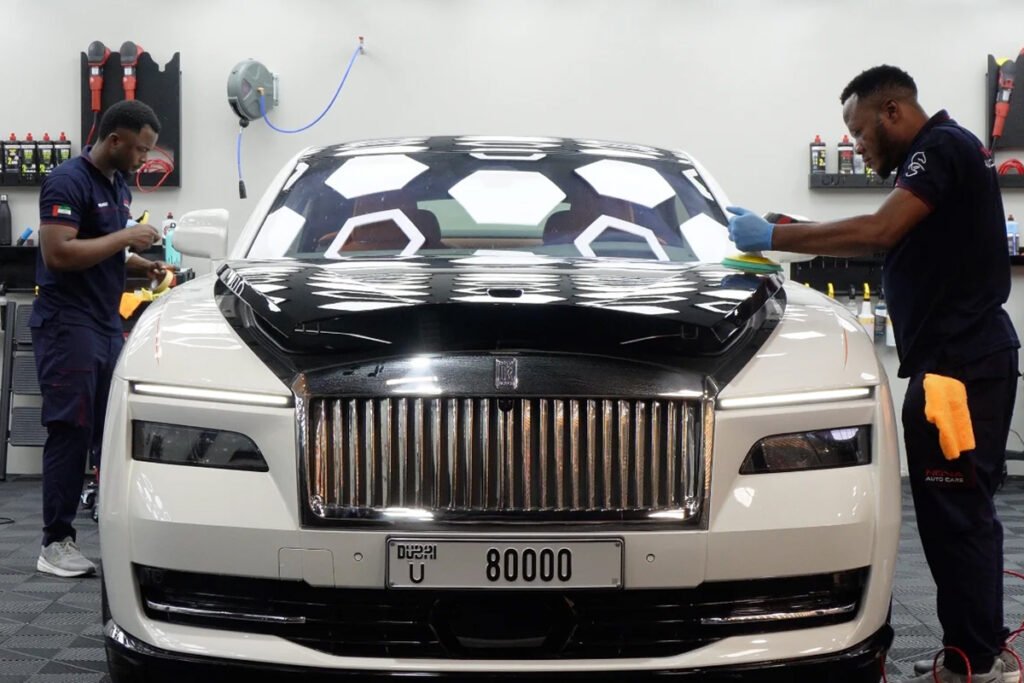
Professional PPF installation should never happen in a dusty garage or outdoor space. A qualified installer works in:
- Dust-controlled workshop
- Bright lighting environment
- Climate-regulated room
Why this matters: dust particles trapped under film become permanent bubbles that cannot be fixed later.
A clean shop shows attention to detail and professionalism.
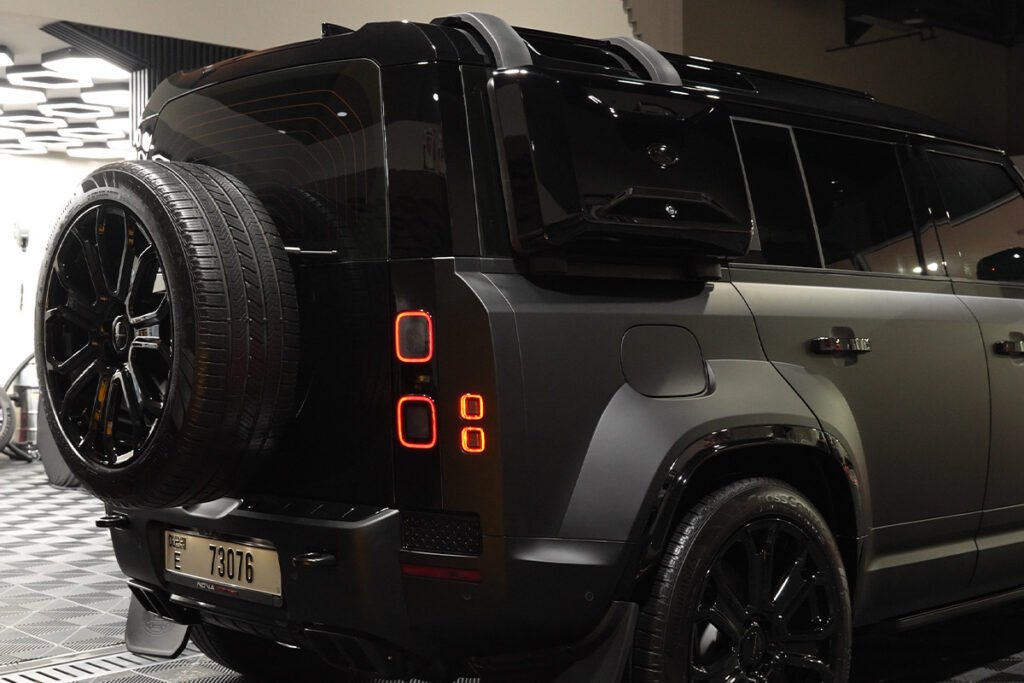
3. Strong Portfolio of Previous Work
Experienced installers proudly display their past projects. Look for:
- High-resolution photos
- Close-up edge shots
- Before and after comparisons
- Videos of installations
Pay attention to details in images:
- Are edges invisible?
- Is the finish smooth?
- Are panels aligned?
If an installer only shows distant photos or stock images, be cautious.
4. Real Customer Reviews and Reputation
Reputation is one of the most reliable indicators of skill. Check:
- Google reviews
- Social media feedback
- Car forums
- Local automotive communities
Look beyond star ratings — read comments carefully. Positive signs include customers mentioning:
- Clean installation
- Attention to detail
- Long-lasting results
- Professional communication
Red flags include repeated complaints about peeling, bubbles, or poor service.
5. Paint Preparation Process
Professional installers never apply film directly onto unprepared paint. Proper preparation should include:
- Deep wash
- Decontamination
- Clay bar treatment
- Paint correction if needed
- Surface alcohol wipe
This step ensures the film bonds perfectly. If an installer says preparation isn’t necessary, they’re cutting corners.
6. Use of Pre-Cut Software or Precision Cutting
High-level installers typically use digital pattern software or plotters to cut film precisely. Benefits include:
- No blade contact with paint
- Perfect panel fit
- Consistent results
- Cleaner edges
Hand cutting can be safe in expert hands, but inexperienced hand cutting risks paint damage.
7. Transparent Pricing Structure
Professional shops explain pricing clearly. They break down costs based on:
- Coverage area
- Film type
- Vehicle size
- Complexity of installation
Be cautious if someone offers a price dramatically lower than competitors. Extremely cheap installation often means:
- Low-quality film
- Inexperienced installer
- Rushed work
- Poor preparation
With PPF, you usually get what you pay for.
8. Warranty Coverage
Reputable installers provide written warranties that cover:
- Yellowing
- Peeling
- Cracking
- Adhesive failure
There are usually two warranties:
- Manufacturer warranty for film material
- Installer warranty for workmanship
No warranty often means no accountability.
9. Willingness to Educate Customers
A professional installer explains:
- Film options
- Coverage choices
- Maintenance requirements
- Realistic expectations
They won’t rush you or pressure you into expensive packages. Skilled professionals want informed customers because they’re confident in their work.
10. Attention to Edges and Finishing Details
The difference between amateur and professional work often lies in edges.
Professional signs:
- Wrapped edges where possible
- Invisible seams
- No lifting corners
- Symmetrical alignment
Poor installation signs:
- Jagged edges
- Visible cut lines
- Misaligned panels
- Trapped moisture bubbles
Always inspect a finished vehicle before booking.
Questions You Should Ask Before Hiring
Here are smart questions that instantly reveal installer experience:
- How many cars have you wrapped with PPF?
- What brands of film do you use and why?
- Can I see recent installations in person?
- What preparation steps do you follow?
- What warranty do you provide?
- How long will installation take?
Professionals answer confidently and clearly. Inexperienced installers may give vague responses.
Red Flags to Avoid
Avoid installers showing these warning signs:
- Prices far below market average
- No physical shop location
- Limited or fake portfolio
- No warranty
- Pushy sales tactics
- Unwilling to explain process
- Dirty workspace
Trust your instincts — professionalism is usually obvious within minutes of visiting a shop.
Professional vs Beginner Installer Comparison
| Feature | Professional Installer | Beginner Installer |
|---|---|---|
| Precision | Excellent alignment | Misaligned panels |
| Edges | Wrapped and clean | Visible lines |
| Durability | Long-lasting | Early peeling |
| Environment | Controlled studio | Garage/outdoor |
| Prep work | Thorough | Minimal |
| Warranty | Provided | None |
Why Experience Matters So Much
PPF installation is a skill developed over time. Experienced installers understand:
- How film reacts to temperature
- How much stretch is safe
- How to handle complex curves
- How to avoid adhesive distortion
- How to correct mistakes before curing
This knowledge only comes from installing hundreds of vehicles.
Should You Choose a Specialist or General Detailer?
Some detailing shops offer many services and install PPF occasionally. Others specialize almost entirely in paint protection film.
In most cases, specialists deliver better results because they:
- Work with PPF daily
- Invest in advanced tools
- Stay updated on new films
- Handle complex installations regularly
If your car is high-value or new, choosing a specialist is usually worth it.
The True Cost of Choosing the Wrong Installer
Saving money upfront can cost far more later. Poor installation may lead to:
- Film removal and replacement
- Paint damage
- Reduced resale value
- Wasted film cost
- Additional labor fees
Fixing bad PPF is often more expensive than installing it correctly the first time.
Final Thoughts
Identifying a professional PPF installer isn’t difficult once you know what to look for. Certifications, a clean workspace, strong portfolio, transparent pricing, and detailed workmanship are clear signs of expertise. On the other hand, suspiciously low prices, vague answers, and poor work samples are strong warnings.
Remember, PPF is designed to protect your car’s paint for years — but only if it’s installed properly. Choosing a skilled installer ensures your vehicle looks flawless, stays protected, and maintains its value long term.
The rule is simple:
A premium installer can make any film look great, but even the best film cannot compensate for poor installation.